No More Fatty Foods, Lazy Lifestyles

Why

Taking huge helpings of food? Getting too little exercise? Eating lots of fatty or sugary snacks? How can you erase these paths to obesity AND take steps to get fit? Exercise. Choose healthy foods. Play hard!


Steps

1. Did you know that 30% of children in the United States are obese? And that about 10% of children around the world, including those in developing countries, are overweight? Brainstorm some of the problems affecting obese children, from being called hurtful names to the biological reality that their hearts need to work extra hard to pump blood through more miles of blood vessels.


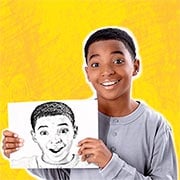
2. Draw some of the major contributors to overweight kids, such as fewer active gym classes, long hours of sitting, and a lack of safe outdoor places to play. Sketch your design to erase obesity from children’s lives with Crayola® Erasable Colored Pencils. Just erase to modify your ideas.


3. Color your ideas with Crayola Markers on posterboard or other slick white paper. To get your message across with visual impact, you could circle each item using the red marker and then erase a big slash through the center of each one. Fill in the slash with red.


4. Share your concerns and solutions with adults and students. Make a plan to get fit –and stay fit--together! Fitness feels GREAT!


Safety Guidelines

Adult supervision is required for any arts & crafts project. Observe children closely and intervene as necessary to prevent potential safety problems and ensure appropriate use of arts and crafts materials. Some craft items, particularly beads and buttons, are potential choking hazards for young children. Avoid use of such small parts with children younger than 3 years. Craft items such as scissors, push pins and chenille sticks may have sharp points or edges. Avoid use of materials with sharp points by children younger than 4 years. Read all manufacturers' safety warnings before using arts and craft supplies.

Adaptations

  • Develop some obesity warning signals for yourself to help stop behaviors that lead to obesity. For example, when you add a notch on your belt or find yourself getting more lifts than walking or riding a bike, its time to change your behavior and habits.
  • Keep a food journal/log. Record everything you put in your mouth and what is left on your plate or thrown out. Compare your records with those of children from other countries.
  • Invite a nutritionist to explain what happens when overweight children grow up. Ask for help to choose the healthiest foods now.
  • With younger children, focus on healthy food choices and offer lots of active play time. Find adaptive ways to help children with special needs get sufficient exercise.
  • Assessment: Determine the level of each child’s understanding of the causes of obesity and solutions to a healthier lifestyle as reflected in the ideas shown on the posters.

Related Lesson Plans

Lesson Plans

Share on Facebook

Supplies

crayola supplies
  • Erasable Colored Pencils
  • Markers
  • Construction Paper

Overview

grades

  • Pre-K and Kindergarten
  • Grades 1 to 3
  • Grades 4 to 6
  • Special Needs

subjects

  • Science
  • Visual Arts

time

  • Less than 1/2 hour
  • Multiple Sessions

benefits

  • Students research the causes and effects of childhood obesity on both general and personal levels.

  • Students problem-solve solutions to the growing epidemic of obesity in children.

  • Students design and create a poster containing their solutions and share their ideas with other students and family members.

Cirriculum

Research Canada Standards
Research UK Standards
Research U.S. Standards