
Mystery Map
Make this knowledge treasure hunt a real challenge! Create a Mystery Map with hidden words, facts, or hints to find treasures. Intrigue your classmates!
1. First, decide on the reason for your Mystery Map. Will it reveal a math fact, point to a hint about a class project, list spelling words, or maybe lead to hidden treasure? What logical steps would lead another person to your goal? Make a list with Crayola® Colored Pencils.
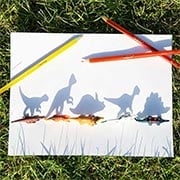
2. On paper, use your colored pencils to draw the hints in correct sequence on your map. Surround the clues with drawings you make with erasable colored pencils. Write connecting words between the steps.
3. Ask your friends to solve the map’s mystery by trying to figure out the answers. Then erase the areas surrounding your clues to reveal the answers. What a great way to have fun while you study together!
Adult supervision is required for any arts & crafts project. Observe children closely and intervene as necessary to prevent potential safety problems and ensure appropriate use of arts and crafts materials. Some craft items, particularly beads and buttons, are potential choking hazards for young children. Avoid use of such small parts with children younger than 3 years. Craft items such as scissors, push pins and chenille sticks may have sharp points or edges. Avoid use of materials with sharp points by children younger than 4 years. Read all manufacturers' safety warnings before using arts and craft supplies.
- Use the Mystery Map for a treasure hunt with a younger class. Draw clues that lead to a prize such as a puppet show, science demonstration, or music-making event.
- Write stories or poetry. Reveal one line every day.
- Assessment: Create a Mystery Map as an alternative means of testing. Provide clues and prompts that lead to correct answers.