Skip to Main Content

Lesson Plans

Spark creativity with Crayola lesson plans. With hundreds of activities, the learning possibilities are endless. 

Adventure to the Arctic

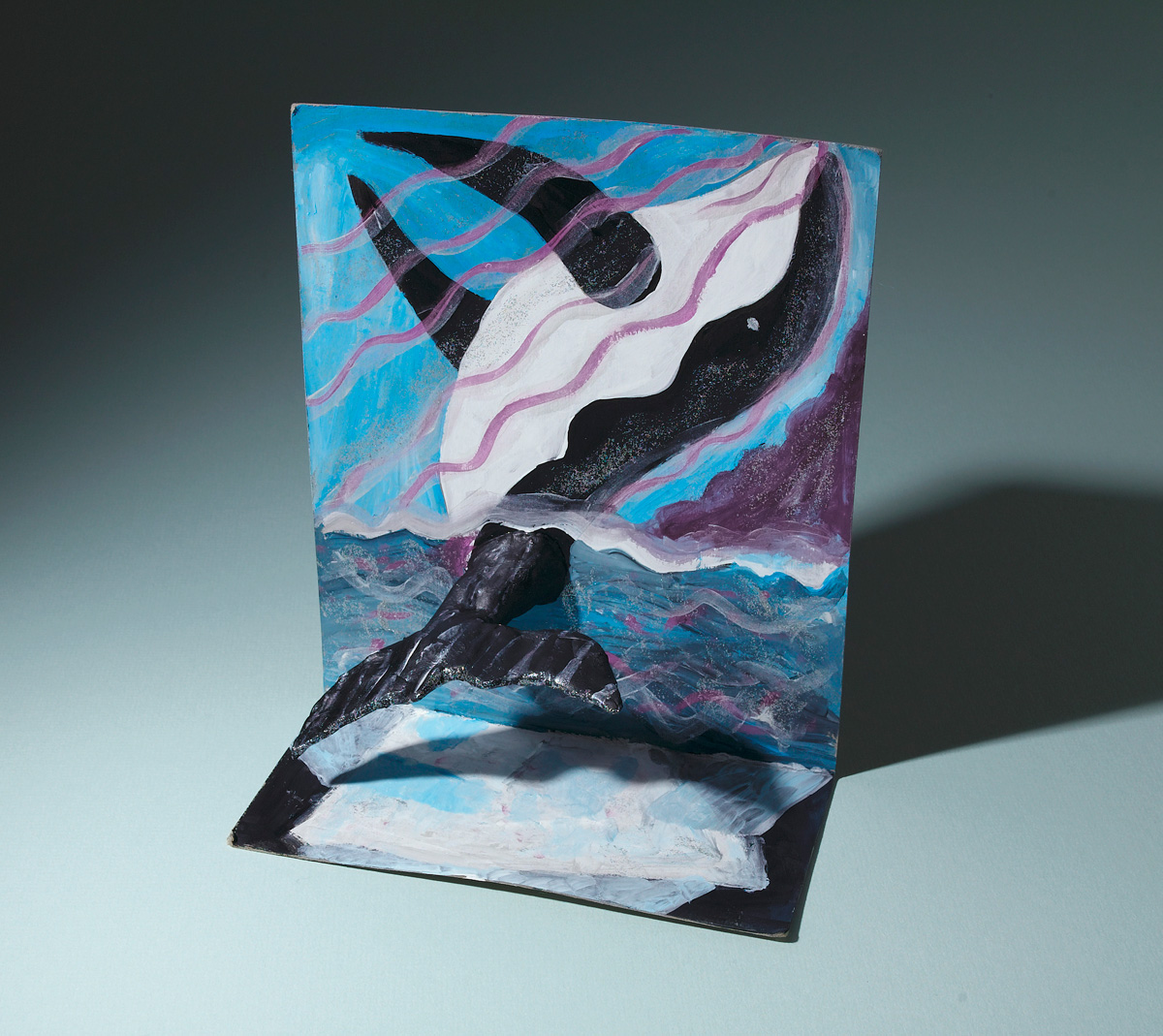
What would it be like to explore the Arctic? Create a 3-D scene that features an Arctic animal. 

Lesson Plan

Supplies Needed

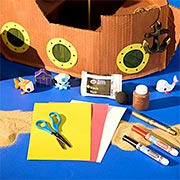
Gather all the supplies needed to bring your craft ideas to life! From paints and markers to glue and scissors, our crafts section has everything to spark creativity and make every project truly special.

Steps

  • Step 1

    The Arctic encompasses the entire polar region in the northernmost part of Earth. It consists of parts of Norway, Sweden, Finland, Russia, the United States, Canada, and Iceland. It has great views of the Northern Lights, glaciers, volcanoes (many which are active), and mountains. Display a map of the Arctic region and point out some of its features.

  • Step 2

     Have students research and plan an imaginary expedition in the Arctic. They should choose their destination and decide what sites they want to see and what wildlife they expect to see there. Ask them to write up an itinerary and include facts about their choices.

  • Step 3

    Create a 3-D image of an Arctic scene that focuses on an animal or geographic feature. Students can use Model Magic to sculpt a whale, a glacier, or other animal or landform. When the Model Magic is dry they can glue it onto a full or partial recycled cardboard box, then add details to the background to complete their work.

  • Step 4

    Ask students to become guides as they present their 3-D work and take classmates on a virtual tour of the Arctic.

Standards

LA: Write using words, numbers, and images to inform and explain, share experiences, and create narratives, either fictional or non-fictional.

LA: Integrate and evaluate information presented in diverse media and formats, including visually, quantitatively, and orally.

SS: People, Places, and Environments: Use maps, globes, and other geographic tools. Demonstrate understanding of the use and misuse of the environment and the relationship between human populations and the physical world. 

Adaptations

Because part of Alaska is in the Arctic Circle, people there experience 24 hours of light during the summer solstice months, and 24 hours of darkness during the winter. Students could investigate and report on how people cope during these times and what they enjoy doing. For example, there are summer solstice festivals, and the aurora borealis display is magnificent in the winter.

Students can research one or more of Alaska's indigenous peoples, such as the Aleut, Tlingit, Yupik, etc. They could recreate a representative type of artwork - perhaps a mask or a totem - and talk about its history, meaning, and significance.