Skip to Main Content

Lesson Plans

Spark creativity with Crayola lesson plans. With hundreds of activities, the learning possibilities are endless. 

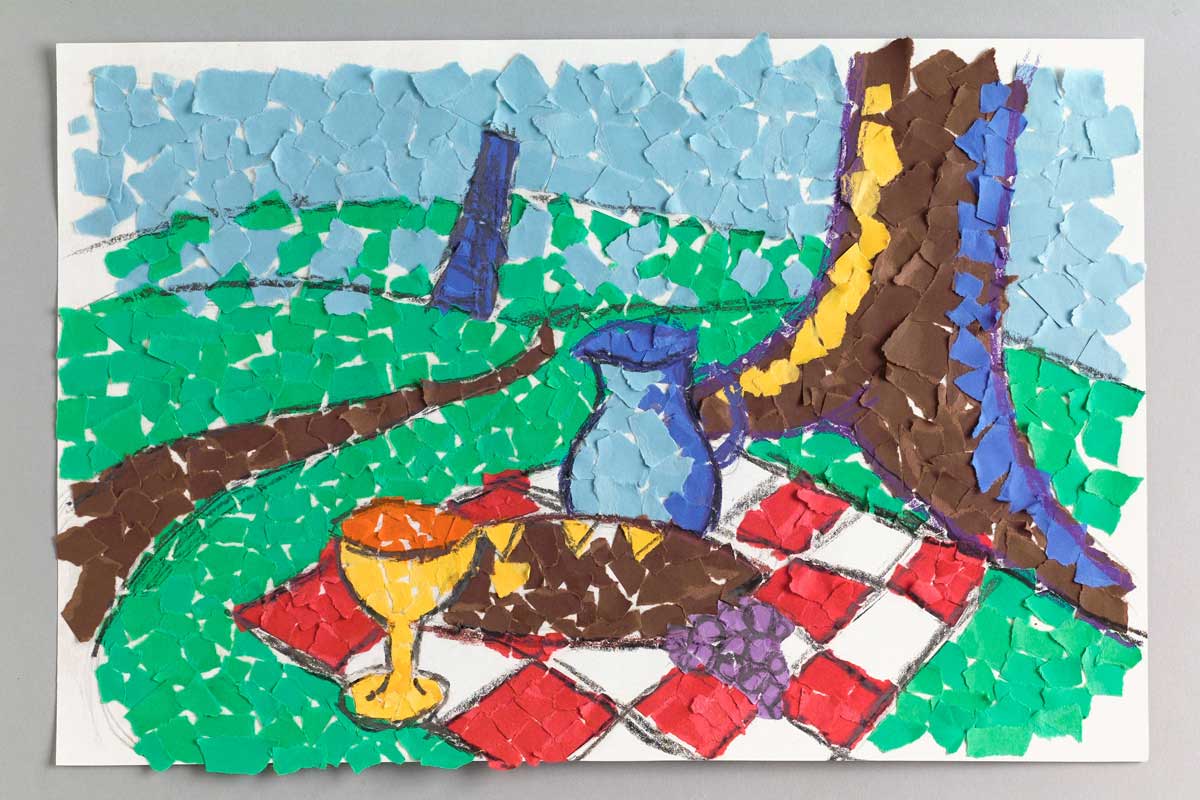
Cézanne-Inspired Still Life Collage

Students will explore the artwork of Paul Cézanne and create a torn-paper collage in the Post-Impressionism style.

Lesson Plan

Supplies Needed

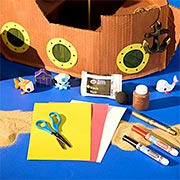
Gather all the supplies needed to bring your craft ideas to life! From paints and markers to glue and scissors, our crafts section has everything to spark creativity and make every project truly special.

Steps

  • Step 1

    Paul Cézanne (1839-1906) was a French artist and a leader in the Post-Impressionism art movement. This movement emerged as a reaction against the Impressionists' concern for naturalistic depiction of light and color and emphasized abstract qualities and/or symbolic content. Have students research the movement and the works of Cézanne. They might view "The Basket of Apples," "Table, Napkin, and Fruit," "Curtain, Jug, and Fruit," or any other still life. What are some of the recurring subjects in his still life paintings? Who were some other Post-Impressionist artists? What techniques or styles did they use in their art? For example, Georges Seurat worked in pointillism, Paul Gauguin used synthesism, etc.

  • Step 2

    Ask students to create a torn-paper collage in the style of Cézanne. Have them begin by lightly sketching a still life image onto heavy paper and planning the colors for the images in their collage. Then have them tear small pieces of construction paper in the appropriate colors for the design. Students cover the heavy paper with a coating of glue within the various sketched areas. They will then lay the pieces of torn construction paper onto the glued area and press firmly. Then repeat for each sketched area until the background and large areas are covered. The detailed areas of the collage will be filled with specific colors of torn paper to form the objects such as individual grapes or other small items that the student decides to include in the art.

  • Step 3

    Have students present their work and discuss the characteristics of Post-Impressionism.

Standards

ARTS: Speculate about processes an artist uses to create a work of art. 

ARTS: Explore and invent art-making techniques and approaches. 

Adaptations

Have students explore chigiri-e, a Japanese art form that uses torn pieces of handmade, hand-dyed paper to create images. (The term comes from the Japanese word "chigiru" which means to tear and shred. the "e" is for the Japanese word for picture.) When did this art form originate? Who are some noted artists?

Impressionism in music was a movement that focused on emotions and atmosphere, rather than a detailed "tone picture." Claude Debussy and Maurice Ravel are two leading figures in this style. Have students listen to excerpts from some of their pieces and discuss the feelings and images suggested by the music.