Skip to Main Content

Lesson Plans

Spark creativity with Crayola lesson plans. With hundreds of activities, the learning possibilities are endless. 

Color, Movement, and Form

Wassily Kandinsky believed that abstraction could better express emotions and used color, movement, and form to create a more expressive form of art. Students will learn about his work and create a piece of art in his style.

Lesson Plan

Supplies Needed

Gather all the supplies needed to bring your craft ideas to life! From paints and markers to glue and scissors, our crafts section has everything to spark creativity and make every project truly special.

Steps

  • Step 1

    Wassily Kandinsky (1866-1944) was a Russian painter and a pioneer in the field of abstract art. He was a great lover of music, which often guided his paintings, and he sought to express the lyrical harmonies of color. He believed that color could be used to express the innermost feelings of the soul. Discuss abstract art with the class. Have students look at examples of Kandinsky's works. Ask them to describe the feelings the colors evoke in them. Ask them also to try to imagine what music might accompany his paintings.

  • Step 2

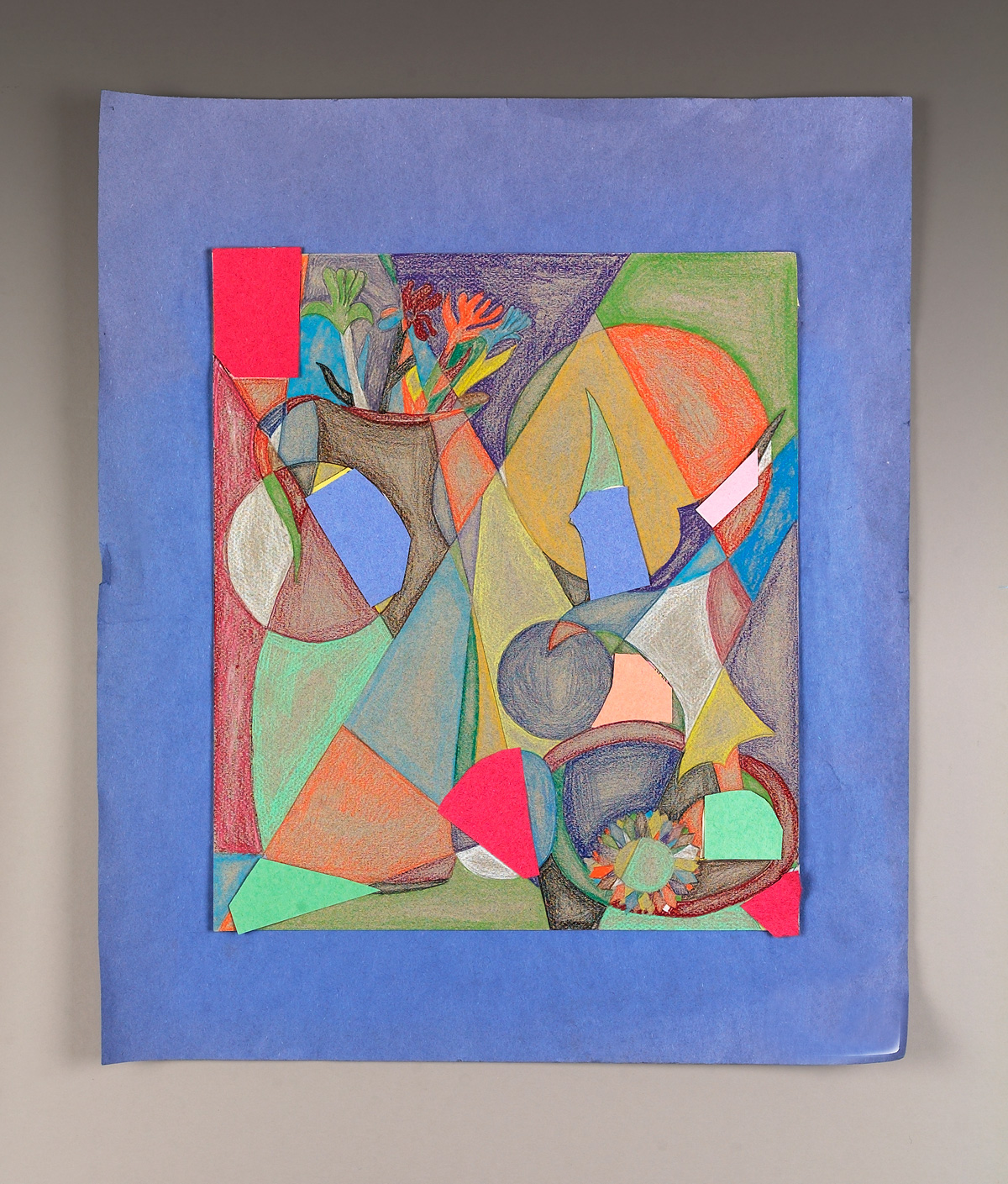
    Kandinsky used vibrant colors, sweeping brushstrokes, and fragmented forms to convey a sense of movement in his works and to evoke a powerful emotional response in the viewer. Have students use images of his works to guide them as they create a collage in his style. They can cut or tear shapes out of paper, then arrange them on another piece of paper and illustrate the shapes and the background in a variety of vibrant colors.

  • Step 3

    Have students present their art and discuss the emotions they portrayed. They might accompany their presentations with music that sets a scene for the art.

Standards

ARTS: Describe what an image or performance represents. 

ARTS: Speculate about processes an artist uses to create a work of art. 

Adaptations

Kandinsky had synesthesia, which is a condition in which one type of stimulation evokes the sensation of another. In Kandinsky's case, he saw colors as he listened to music. Have students listen to musical excerpts, then illustrate the shapes and colors it brings to mind.

Have students look at images of some famous abstract art works. Ask them to describe what the scene might represent and the emotions it evokes.