Skip to Main Content

Lesson Plans

Spark creativity with Crayola lesson plans. With hundreds of activities, the learning possibilities are endless. 

Dressed for Success

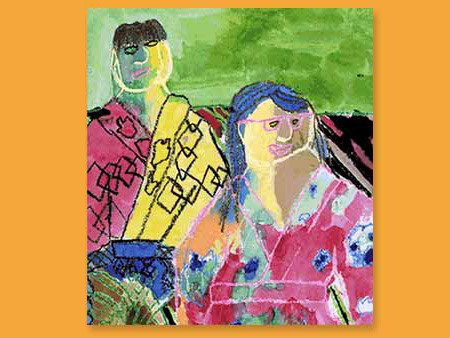
Does what we wear matter? Research says it does. Students will learn about the psychology of clothing and create an illustration depicting people dressed for success.

Lesson Plan

Supplies Needed

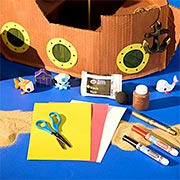
Gather all the supplies needed to bring your craft ideas to life! From paints and markers to glue and scissors, our crafts section has everything to spark creativity and make every project truly special.

Steps

  • Step 1

    Research has found that clothes influence a wearer's psychological processes. Putting on somber clothing to go to a funeral or yoga pants to go to the gym primes our brains to act in a manner consistent with our dress. Clothes can also influence others' perception of the wearer. Have students discuss various situations. Imagine two people of equal experience and credentials showing up for a job interview, but one is wearing pajama bottoms and flip-flops. Would their appearance influence the students' impression of them? How about if a student was going to a party where they didn't know many people. Would they feel more confident wearing clothes that they felt were complimentary and reflected their personality?

  • Step 2

    Ask students to create an illustration of themselves in a situation where what they wear matters. It might be a serious event where they have to wear clothes considered dressy, a recreational event where comfort matters, or anything else. 

  • Step 3

    When their art is complete have them present it to the class and discuss how clothes play an important role in how we think and act.

Standards

SEL: Self-Awareness: Identify personal, cultural, and linguistic assets as well as personal interests that lead to a sense of purpose. 

Adaptations

Traditional clothing holds cultural significance worldwide, representing the history, customs, and identities of people in the region. Have students explore some examples, such as the hanbok of Korea known for its vibrant colors, the sari worn by women in South Asia and known for its versatility and elegance, the dashiki of West Africa known for its vibrant patterns, etc. Ask students to sketch people wearing one of these traditional garbs.

Fashion trends evolve to reflect society's beliefs and cultural shifts. Have students create and illustrate a timeline of fashion from the last several decades. They might include flapper dresses from the 1920s, Hollywood glamor from the 1930s and 1940s, "greaser" fashion from the 1950s, mini skirts and bell bottoms in the 1960s and 1970s, etc.