Skip to Main Content

Lesson Plans

Spark creativity with Crayola lesson plans. With hundreds of activities, the learning possibilities are endless. 

Fractured Beauty

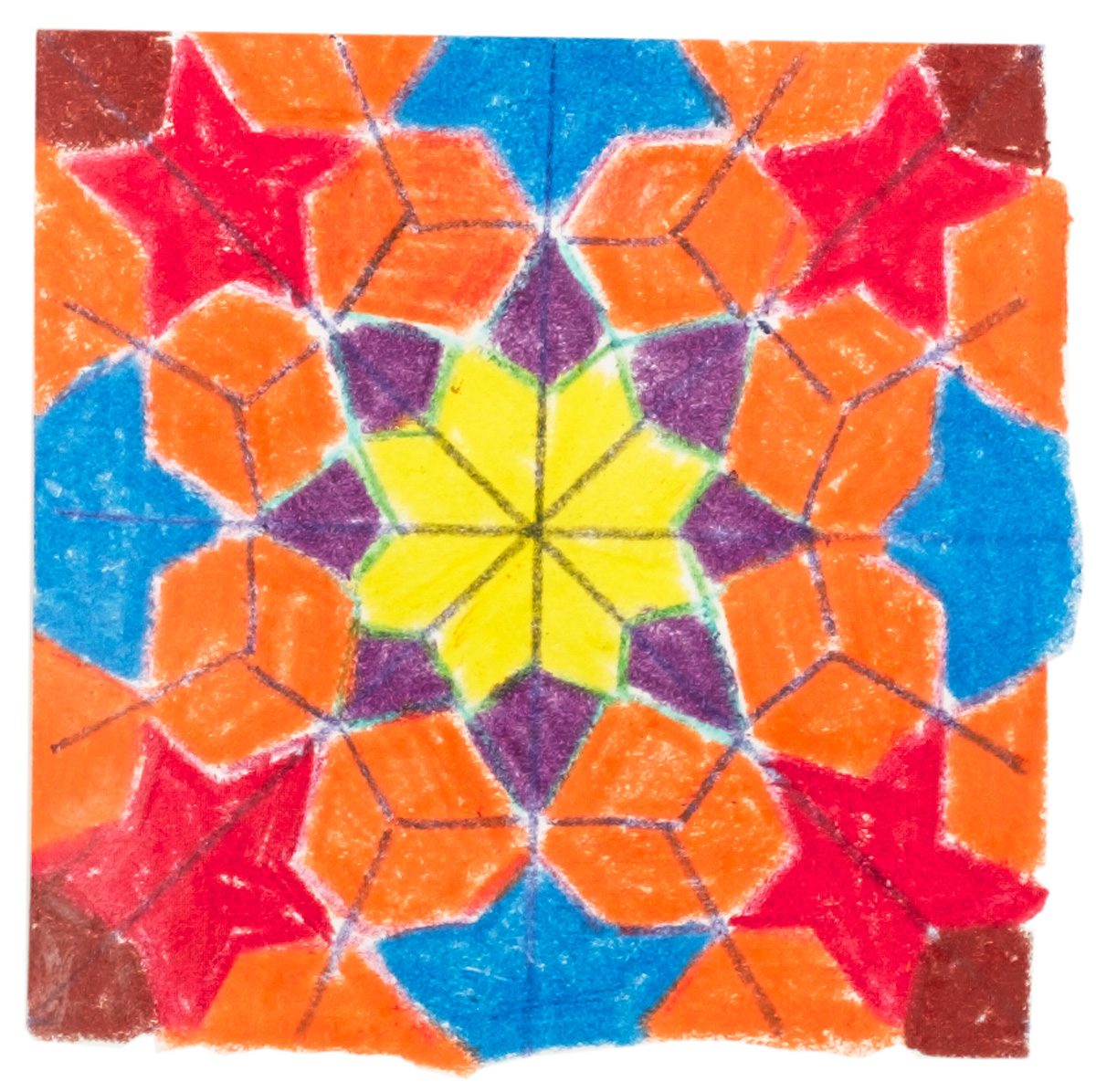
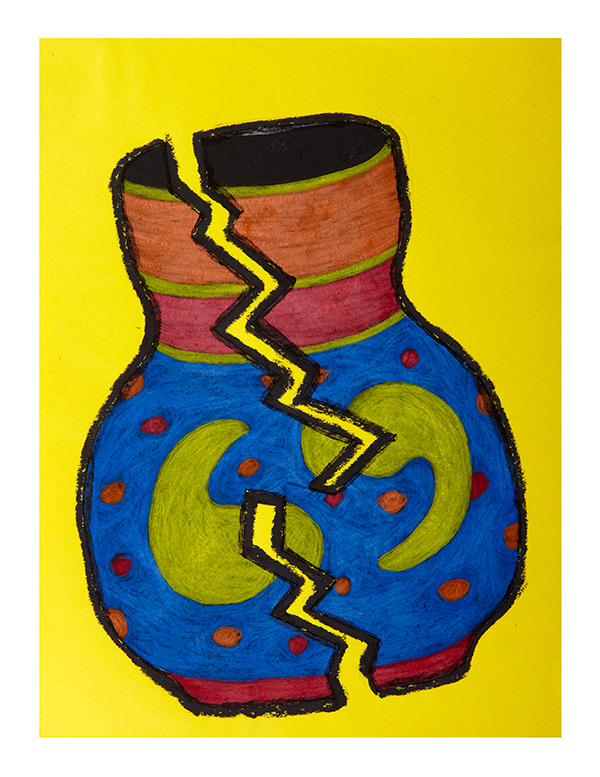
Kintsugi is the Japanese art of repairing broken pottery by filling it with gold, silver, or platinum. It teaches that flaws are to be embraced rather than disguised. Students will create a drawing that illustrates that we can find beauty in imperfection.

Lesson Plan

Supplies Needed

Gather all the supplies needed to bring your craft ideas to life! From paints and markers to glue and scissors, our crafts section has everything to spark creativity and make every project truly special.

Steps

  • Step 1

    Introduce students to the art of kintsugi. It originated in Japan in the 15th century as an aesthetically pleasing way to repair pottery. As a philosophy, kintsugi places value on highlighting flaws and imperfections rather than covering them up as a way to show that the object continues to have value. It bears the evidence of a life of use and worth. Display some images of this technique.

  • Step 2

    You might show images of items from the past and also talk about modern uses. For example, in the piece "Translated Vases" Korean artist Yee Sookyung uses the kintsugi technique as a metaphor to show that people can become more mature and beautiful as they overcome suffering. And Brazilian artist Tatiane Freitas "repairs" wooden chairs by replacing missing pieces with Lucite, thereby fusing old with new.

  • Step 3

    Have students reflect on times when something that went wrong taught them a valuable lesson and led to a better outcome.

  • Step 4

    Ask students to create a drawing that illustrates the kintsugi technique. It might be a piece of pottery or any other object in which a flaw is accentuated in an aesthetically pleasing way.

Standards

ARTS: Explore and invent art-making techniques and approaches.

ARTS: Speculate about processes an artist uses to create a work of art.

ARTS: Synthesize knowledge and relate it to personal experiences to create, present, and respond to art.

SS: Culture: Through experience, observation, and reflection, identify elements of culture as well as similarities and differences among cultural groups across time and place.

Adaptations

Mosaic is another artform that involves putting pieces together. Encourage students to create a piece of artwork using small items found around the house that might otherwise be discarded.

Upcycling is the process of turning by-products, waste materials, or unwanted items into something new that has greater perceived artistic or environmental value. Challenge students to think of a way to repurpose something they no longer want or need. A Mason jar might become a decorative desk organizer, a recycled candy box could become a jewelry holder or a seed starter, etc.