Skip to Main Content

Lesson Plans

Spark creativity with Crayola lesson plans. With hundreds of activities, the learning possibilities are endless. 

Government Rules

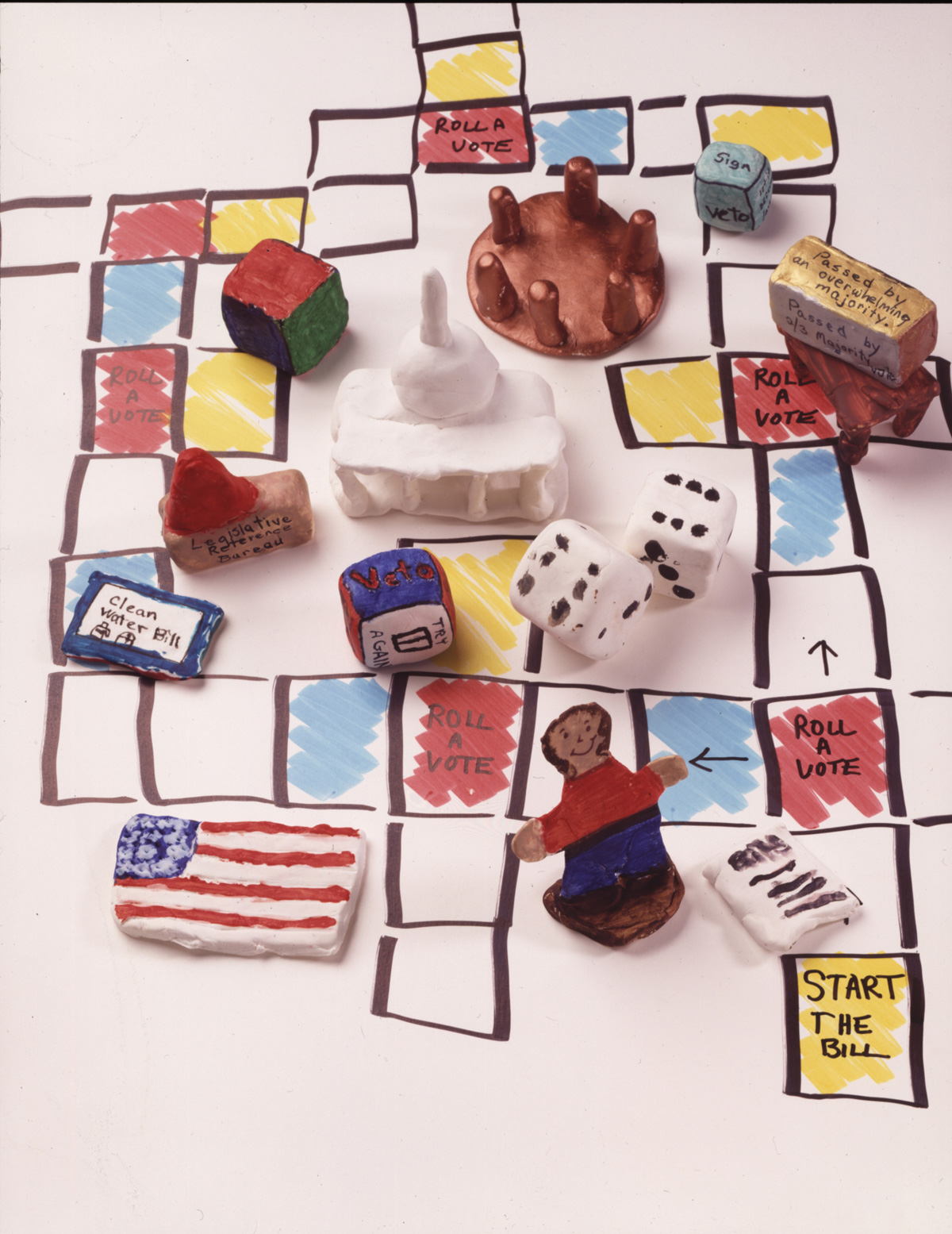
Playing games is a powerful way to stimulate brain and memory. Students will create a board game to deepen their understanding of how government works.

Lesson Plan

Supplies Needed

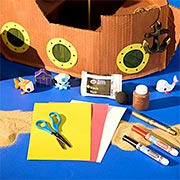
Gather all the supplies needed to bring your craft ideas to life! From paints and markers to glue and scissors, our crafts section has everything to spark creativity and make every project truly special.

Steps

  • Step 1

    Have a class discussion about national, state, and local governments. Have students learn about their representatives. Ask them to find out about the voting process, the way a bill is introduced and enacted, and what questions might be on the ballot in the next election.

  • Step 2

    Designing games stimulates students' brains, enhances creativity, and creates memorable learning. Have students work in small teams to create a game based on some of the information they learned about the government. Encourage them to include steps that would enhance the game, such as opportunities to accept a challenge or take a risk. They can draw the game board on poster board and make the game pieces out of Model Magic.

  • Step 3

    Have each team explain the rules of their game to other classmates, then have them play the game to test it out. Ask classmates to provide feedback so the creating team can modify the rules as needed. Accepting constructive feedback can help everyone grow.

Standards

SS: Individuals, Groups and Institutions: Examine various institutions that affect one's life and influence people's thinking and how they advocate for ideas they believe in.

SS: Civic Ideals and Practices: Examine experiences in relation to ideals, participate in civic practices such as mock elections, and determine how to balance the needs of individuals and groups.

Adaptations

Invite a representative to talk to the class about how the state or local government is run. Have students prepare a list of questions for the speaker in advance.

Have students pick a topic to debate, then break into two groups: pros and cons. Have a representative from each side present their case and then take a vote to see which side was more persuasive.