Skip to Main Content

Lesson Plans

Spark creativity with Crayola lesson plans. With hundreds of activities, the learning possibilities are endless. 

Rice Around the World

Rice is a staple food around the world. Students will learn about its global importance, explore some regional cuisines, and create a recipe storage box.

Lesson Plan

Supplies Needed

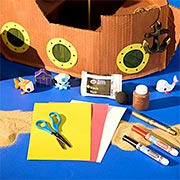
Gather all the supplies needed to bring your craft ideas to life! From paints and markers to glue and scissors, our crafts section has everything to spark creativity and make every project truly special.

Steps

  • Step 1

    Rice, wheat, and maize are the three leading food crops around the world, with rice providing 16.5% of global caloric intake. Have students learn about this important source of nourishment. What countries are the biggest cultivators of rice? Where was it first domesticated? What are some rice varieties? What is the only continent that doesn't grow rice?

  • Step 2

    Ask students to think of rice dishes they know of from around the world. They may mention carne asada and arroz con pollo (Latin America), biryani (India), bibimbap (Korea), etc. Students might also share family rice dishes they enjoy at home.

  • Step 3

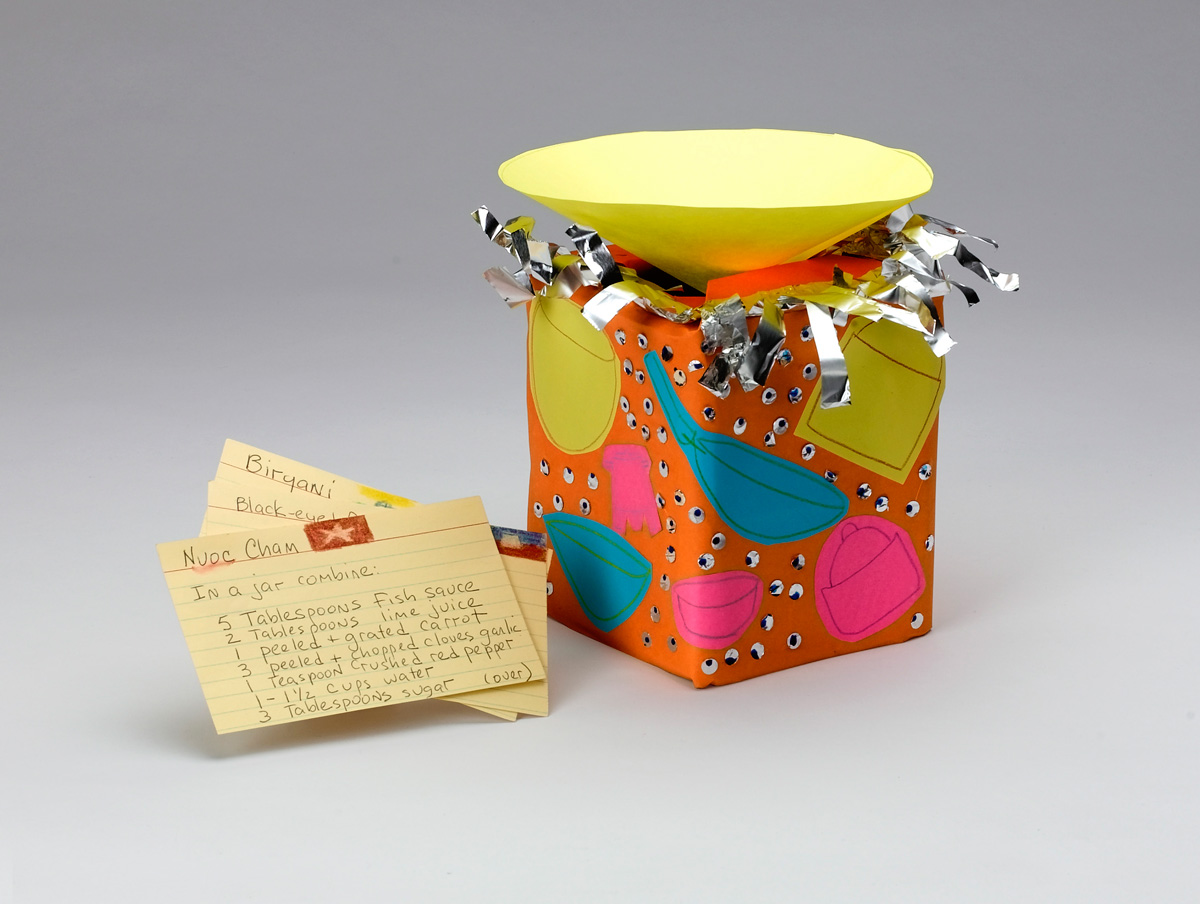
    Have students create a decorative box for storing rice cuisine recipes. They can adorn a recycled tissue box or other small box with construction paper and craft items. They can then look up recipes for chosen dishes online and write them on index cards.

  • Step 4

    Have students discuss some of the rice dishes they researched and the regions where they're enjoyed. They might also share stories about favorite rice recipes enjoyed by their family and friends.

Standards

SS: Culture: Create, learn, share, and adapt to culture. 

SS: People, Places, and Environments: Draw upon experiences in neighborhoods, towns and cities, states and nations, as well as peoples and places distant and unfamiliar to explore geographic similarities and differences. 

Adaptations

Rice is one of the three leading food crops along with wheat and corn. Have students learn about Norman Borlaug, and agronomist and leader in the Green Revolution who won the Nobel Peace Prize and other prestigious awards for his contributions to growing disease-resistant wheat crops and helping to eliminate malnutrition, first in Mexico and then elsewhere.

Rice may be a staple of cuisines the world over, but it has many other uses. Have students explore how rice can be used to prevent salt from sticking in a salt shaker, save a wet smartphone, ripen fruit, and other benefits.