Skip to Main Content

Lesson Plans

Spark creativity with Crayola lesson plans. With hundreds of activities, the learning possibilities are endless. 

Summer Santa

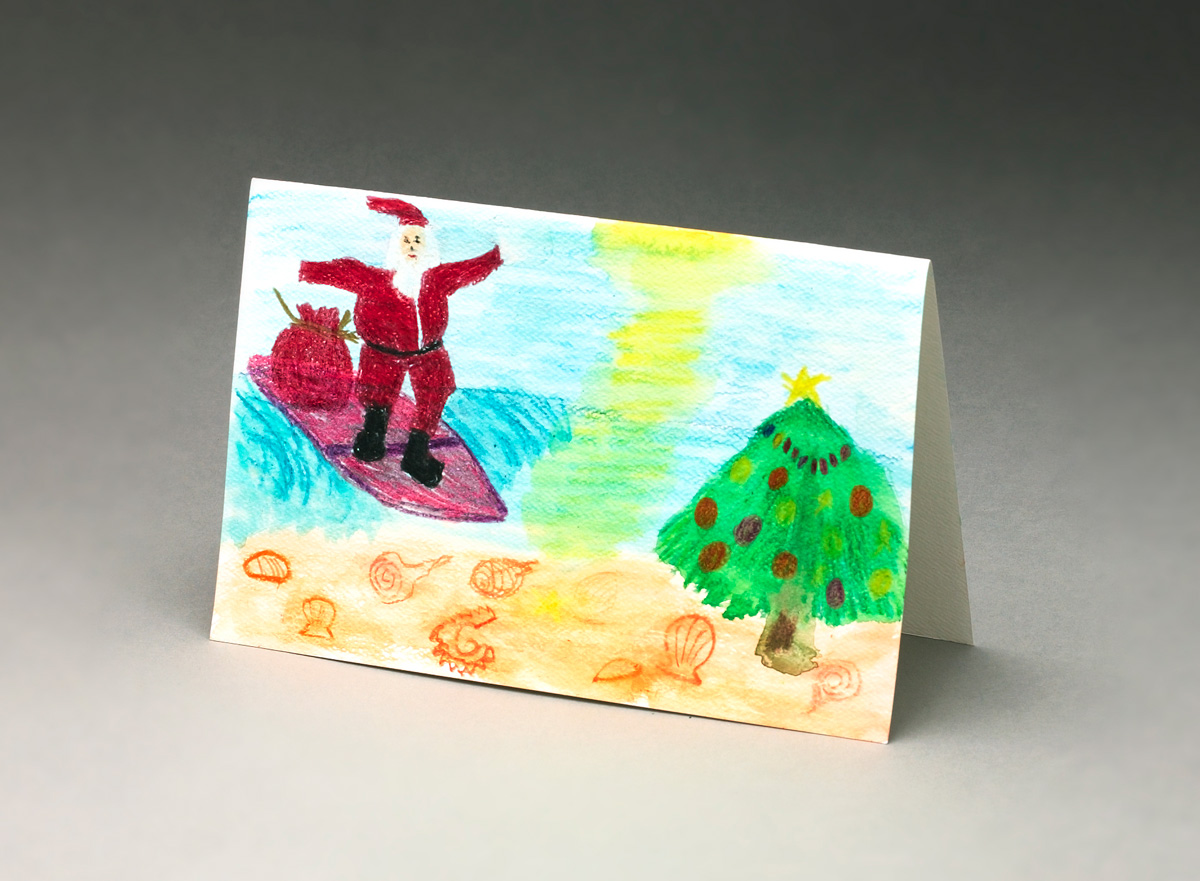
Mittens and hot cocoa in July? Sun and surf in December? Students will learn about seasonal differences in the Northern and Southern Hemisphere and create artwork depicting a seasonal activity.

Lesson Plan

Supplies Needed

Gather all the supplies needed to bring your craft ideas to life! From paints and markers to glue and scissors, our crafts section has everything to spark creativity and make every project truly special.

Steps

  • Step 1

    Display a map that shows the Northern and Southern Hemispheres. Explain to students that the Earth is divided by the equator, which runs from east to west. Countries north of the equator, are in the Northern Hemisphere; countries south of the equator are in the Southern Hemisphere. Have students think about how this might affect the weather in various seasons as the Earth rotates around the Sun. When the Northern Hemisphere is tilted towards the Sun, how will the weather compare to the Southern Hemisphere? Explain that in Australia, which is in the Southern Hemisphere, spring is from September to November, summer is from December to February, autumn is from March to May, and winter is from June to August. 

  • Step 2

    Have students create art that shows a holiday being celebrated in the Southern Hemisphere. They might show people singing Christmas carols wearing summer attire or a Santa walking along the beach. Or they might show a family celebrating a spring holiday such as Easter or Passover while the leaves on the deciduous fagus trees in Tasmania are turning yellow and orange. 

  • Step 3

    Students can create their art on heavy paper that they fold into a card. Students can share their knowledge of seasons in another hemisphere by presenting their card to another person as a seasons greeting card and adding a note on the back about why the seasonal image looks different based on which hemisphere they are featuring. 

Standards

SCI: Obtain and combine information to describe climates in different regions of the world.

SCI: Make observations at different times of year to relate the amount of daylight to the time of year.

Adaptations

Read a book such as "The Reasons for Seasons" by Gail Gibbons or "Not All Seasons Are the Same" by Mary L Boccadoro, both of which address the differences between the weather in the Northern and Southern hemispheres. Discuss the various patterns in seasonal changes around the world.

Have students learn about Christmas traditions in the Southern hemisphere. For example, in New Zealand and Australia there is a popular tradition of families celebrating Christmas by having barbeques on the beach and swimming in coastal waters.