Skip to Main Content

Lesson Plans

Spark creativity with Crayola lesson plans. With hundreds of activities, the learning possibilities are endless. 

Tornadoes

Where and how do tornadoes form? Students will explore the science of this weather condition and depict a tornado scene.  

Lesson Plan

Supplies Needed

Gather all the supplies needed to bring your craft ideas to life! From paints and markers to glue and scissors, our crafts section has everything to spark creativity and make every project truly special.

  • Heavy Paper

Steps

  • Step 1

    A tornado forms from within a large thunderstorm. These ferocious whirling winds can pick up anything that's not securely anchored to the ground, including animals, trucks, mobile homes, and many other objects. Have students investigate these strong storms. What causes them to form? Where do they usually occur? How are they different from cyclones?  Why are they so hard to predict? What is a tornadic waterspout? What advancements have led to better detection of storms could potentially become a tornado, which would help give more advanced warning?

  • Step 2

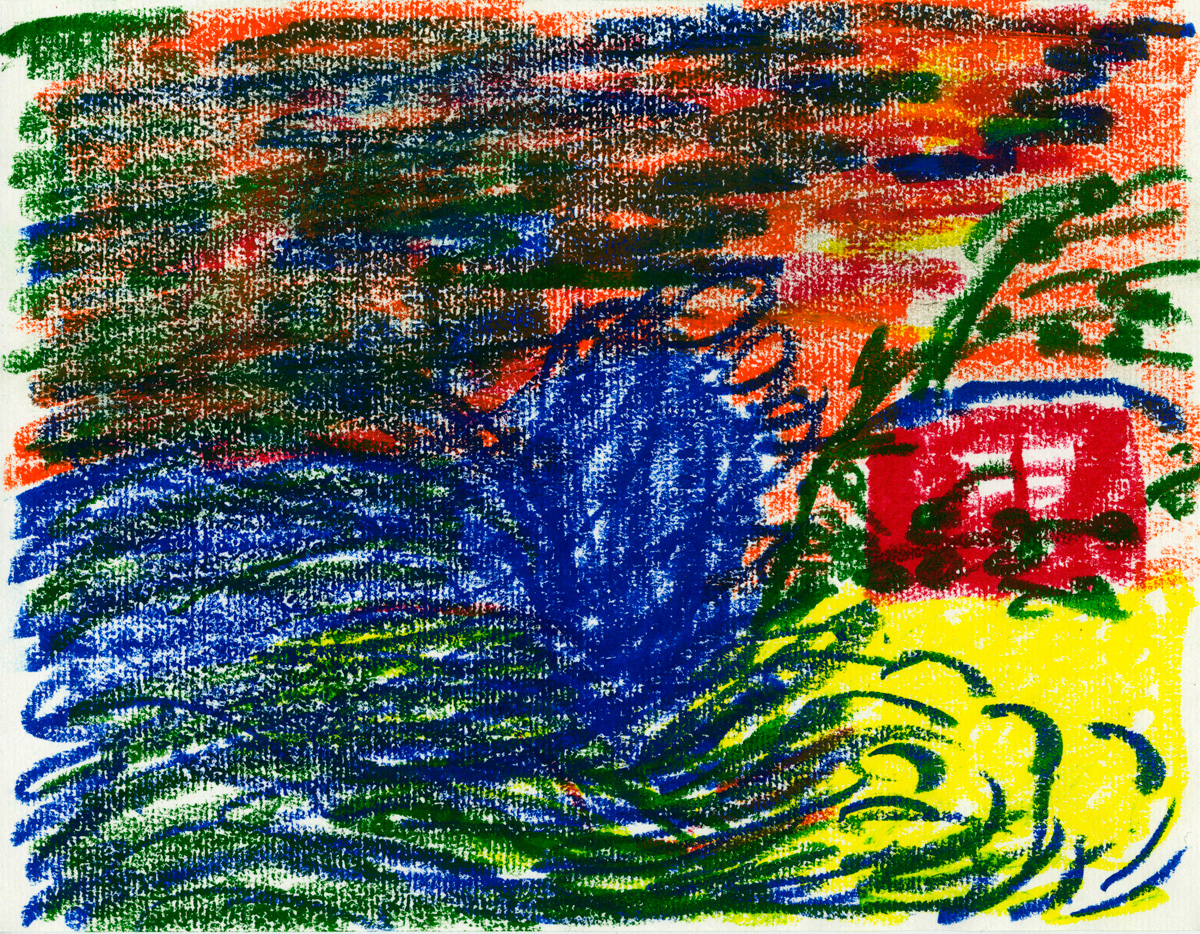
    Have students create a scene that shows the effects of a tornado. They might choose to depict a land tornado or a waterspout (fair weather or tornadic), which is a tornado that forms over water or moves from land to water.

  • Step 3

    Students can apply thick layers of oil pastel onto heavy paper that has a canvas-like appearance. They can direct their strokes to look tumultuous and lively to represent the water spout and objects moving with the wind. Oil pastels blend nicely with a fingertip or tissue if students want to blend some of the colors while while keeping other strokes distinct.

  • Step 4

    Have students present their art and discuss some of the science and characteristics they learned about tornadoes.

Standards

SCI: Recognize what is relevant and how changes in scale, proportion, or quantity affect a system’s structure or performance. 

SCI: Ask questions about the features of phenomena observed and conclusions drawn from investigations or models. 

Adaptations

Have students investigate some of the myths associated with tornadoes. For example, people used to think it could equalize pressure and therefore reduce damage if they opened their windows during a tornado. Have them also look over recommended safety precautions to follow during this strong storm.

Invite a meteorologist to speak to the class about tornadoes and other weather events and how people and communities can take steps to protect themselves.