Skip to Main Content

Lesson Plans

Spark creativity with Crayola lesson plans. With hundreds of activities, the learning possibilities are endless. 

Whimsical Oaxacan Sculptures

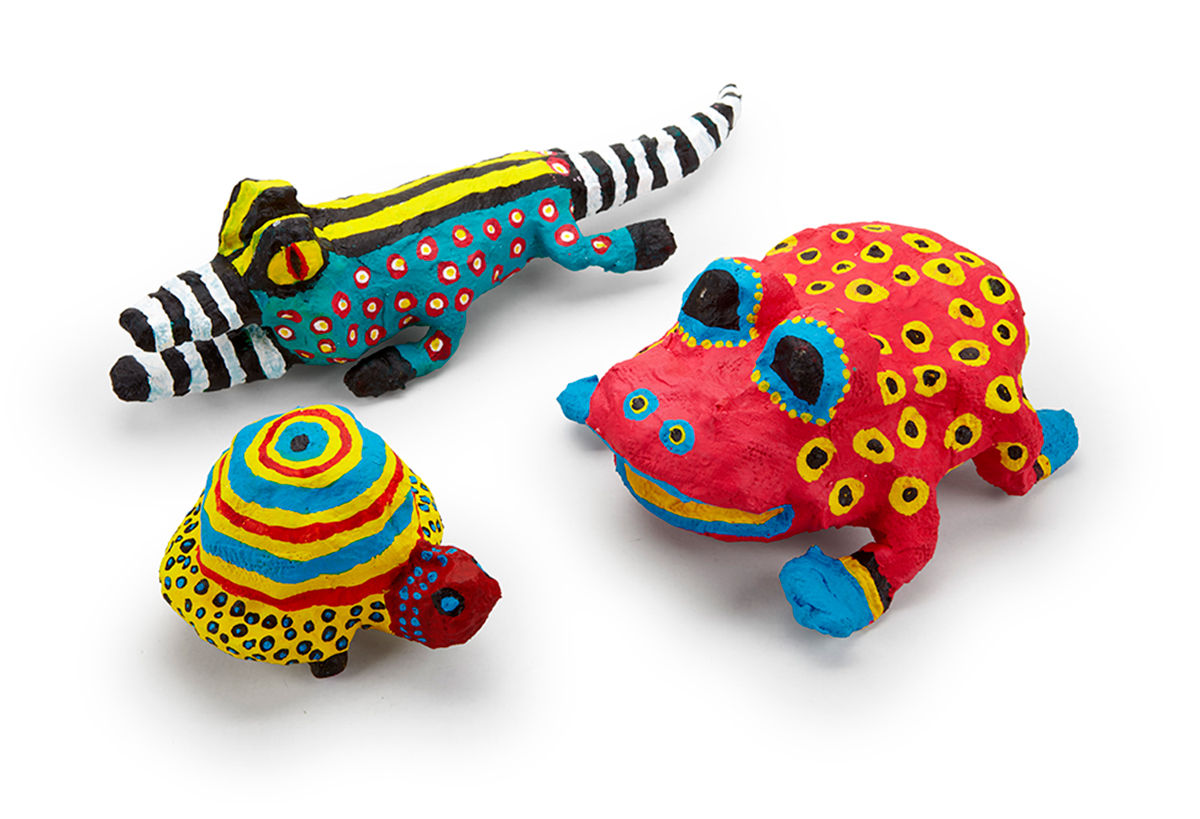
Bright and colorful Oaxacan "alebrijes" will inspire students as they learn about and create a sculpture based on this Mexican artform.

Lesson Plan

Supplies Needed

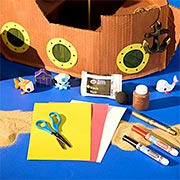
Gather all the supplies needed to bring your craft ideas to life! From paints and markers to glue and scissors, our crafts section has everything to spark creativity and make every project truly special.

Steps

  • Step 1

    Oaxaca is a state in the south of Mexico and is a leading producer of the country's handcrafted items. Among the best known styles of Mexican folk art are the Oaxacan wood carvings known as alebrijes. These fantastical and ornate sculptures are usually carved out of copal wood and painted with vibrant colors. Alebrijes represent mythical creatures and are an integral part of Oaxacan tradition. Have students research their origin, including the artist Pedro Linares López (who is considered the father of alebrijes), the symbolism of the creatures and their colors, and their influence on Mexican art.

  • Step 2

    Have students view images of Oaxacan alebrijes and use them to inspire their own alebrije sculptures out of Model Magic. Encourage them to create a creature that has meaning to them based on the symbolism they researched (for example, an armadillo-like creature represents strength, a dog-based animal represents loyalty, and a catlike creature represents freedom).

  • Step 3

    When their sculptures are done, have students paint them using traditional designs and vibrant colors. Then have them present their art and discuss the whimsical creature they designed and its symbolic significance.

Standards

ARTS: Speculate about processes an artist uses to create a work of art.

SS: Culture: Create, learn, share, and adapt to culture.

Adaptations

The idea for alebrijes came to Pedro Linares López during a dream he had while suffering from a high fever. It is not the only time dreams have given rise to great artwork. Have students explore some other examples, such as "Dream Vision" (1525) by Albrecht Dürer, "Dream Paintings" (1925-1927) by Joan Miró, and "Flag" (1954-1055) by Jasper Johns.

The copal tree is native to Mexico. It provides the wood used for alebrijes but also produces a fragrant milky resin that has varied uses. Have students investigate this tree. How is the resin extracted? What precautions are taken to preserve the trees so they don't weaken or die? What is the resin used for?