Skip to Main Content

Appreciating Innovators and Inventors

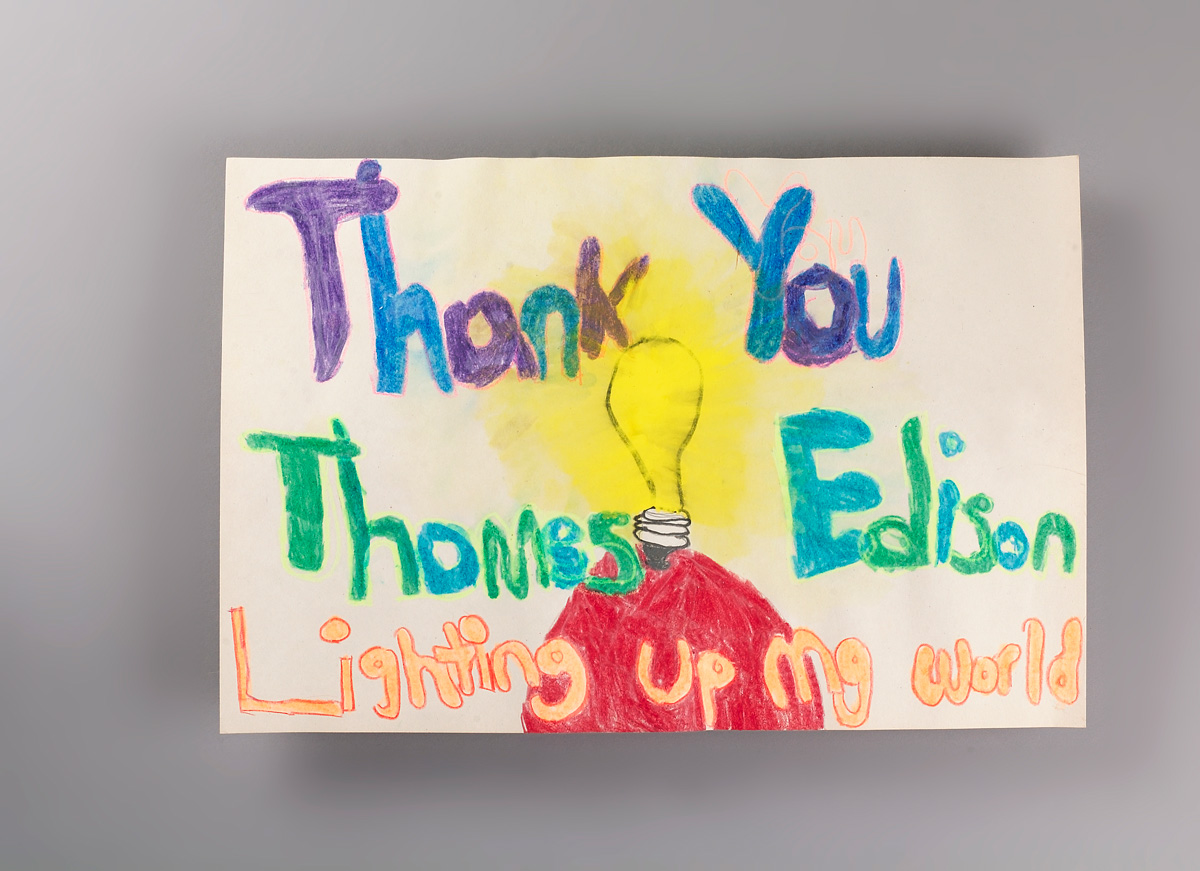
Inventors and innovators impact our lives in many ways. Students will learn about some of the people who have contributed to well known or unnoticed innovations, then create a thank you card for one of them.

Lesson Plan

Supplies Needed

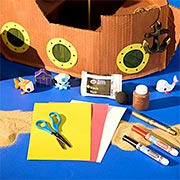
Gather all the supplies needed to bring your craft ideas to life! From paints and markers to glue and scissors, our crafts section has everything to spark creativity and make every project truly special.

Steps

  • Step 1

    Have students try to imagine a time before electricity, cars, telephones, plumbing, or any other product they use or take for granted. How much longer might it take to get to school without modern transportation? How did people keep in touch with each other a hundred years ago? What did people do for entertainment? Ask students to research some inventors and innovators such as Thomas Edison, Alexander Graham Bell, the Wright Brothers, Ada Lovelace, Marie Curie, as well as others who are not as well known, and learn about their achievements. Then ask them to choose one to focus on.

  • Step 2

    Have students create a thank you card for the inventor or innovator they chose. Have them write the card, illustrate one or more of the achievements, and express appreciation for the impact the innovation has made on their life.

  • Step 3

    Ask students to present their cards in a dramatic way where they pretend to address the inventor or innovator. Explain to the person why they were chosen and why the invention or innovation is meaningful to them.

Standards

SS: Time, Continuity, and Change: Read, reconstruct, and interpret the past. Imagine the future. Place oneself in various times and spaces and reflect on change. 

SS: Science, Technology, and Society: Become aware of how science and technologies influence beliefs, knowledge, and people’s daily lives.

Adaptations

Challenge students to go 24 hours without a modern invention or innovation we now take for granted. They might, for example, give up watching videos or communicating with friends via text. Ask them to write about what they did instead and how the experience affected them.

Ask students to think about an invention or innovation they'd like to see that doesn't yet exist. Have them sketch a prototype of this new product and how it would work.