Skip to Main Content

Coastal Greece

Students will learn about Greece and how its geography impacts the architecture, jobs, and people in the country.

Lesson Plan

Supplies Needed

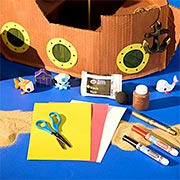
Gather all the supplies needed to bring your craft ideas to life! From paints and markers to glue and scissors, our crafts section has everything to spark creativity and make every project truly special.

Steps

  • Step 1

    Greece's geography has profoundly impacted the country's culture, economics, architecture, cuisine, etc. At 8,498 miles (13,676 km), its coastline is the longest in the Mediterranean Basin and the third longest in Europe. The country has approximately 6,000 islands, of which 227 are inhabited. This means many Greeks live near a coast and work in jobs related to the sea. Greece's terrain is rugged and characterized by mountains and steep slopes. Have students investigate the architecture, resources, and trade of Greece. What are its natural resources? How does its terrain influence the architecture? Why is its proximity to the seas surrounding it significant for economic trade and cultural exchanges? 

  • Step 2

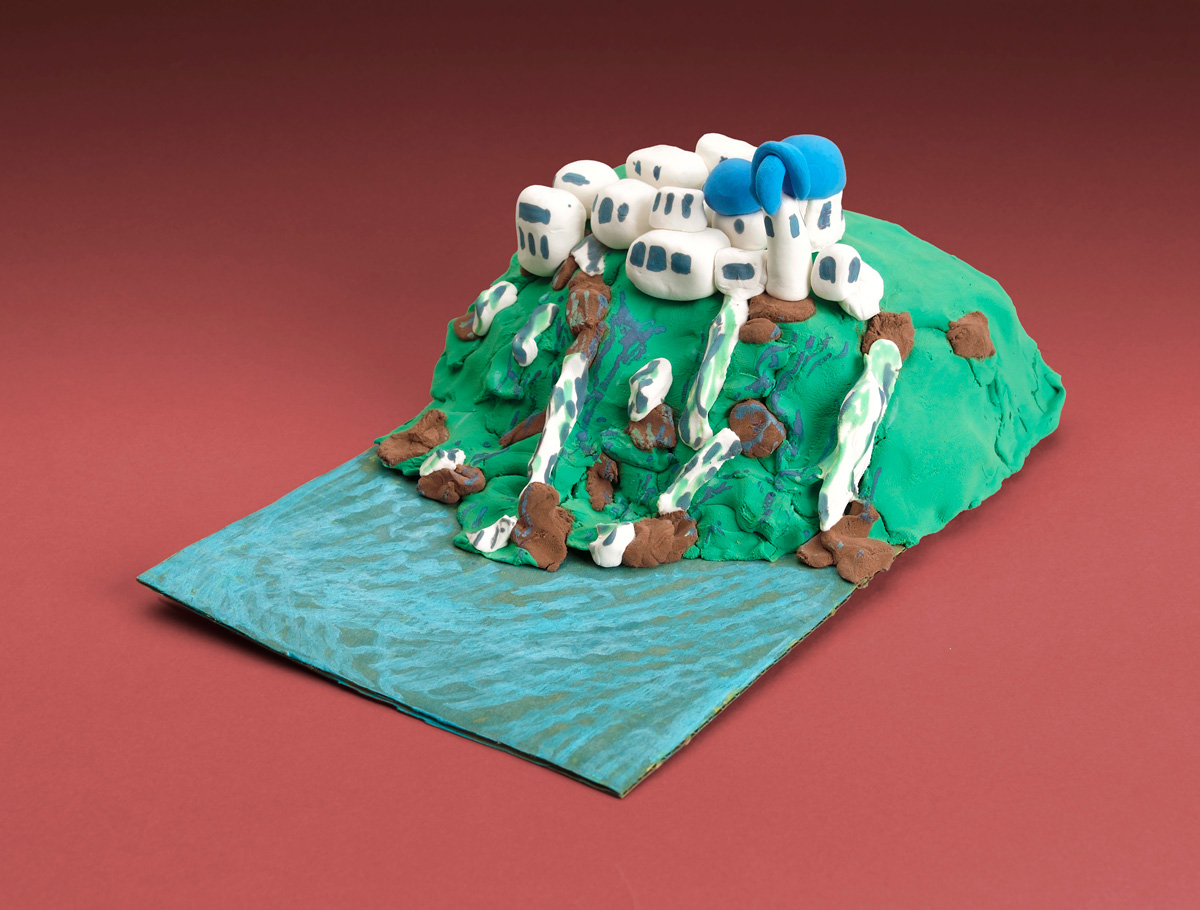
    Have students look at Greece on a map, then view images of some of its regions. Ask them to use the images to inspire them as they create a Greek coastline scene out of Model Magic. They can begin by painting a piece of recycled cardboard to represent the sea, then construct coastline structures and other features out of Model Magic. They could create an armature out of crumpled newspaper to serve as a basis for a hill or mountain and cover the paper with Model Magic.

  • Step 3

    When their work is complete, have students present it to the class and discuss the region and scene they depicted.

Standards

SS: Culture: Create, learn, share, and adapt to culture. 

SS: People, Places, and Environments: Use data to analyze human behavior in relation to its physical and cultural environment. 

Adaptations

Mount Olympus is the highest peak in Greece. Have students learn about this mountain, which is a UNESCO World Heritage Site because of its significant cultural and natural value. Ask them to learn about the flora and fauna of this diverse ecosystem. Have them explore the legends and literature of this place that is the mythical home of the Greek gods.

Ancient Greece has contributed much to modern civilization. Have students learn about how the country has impacted the world. For example, it is considered the birthplace of democracy as well as the Olympic games, it is the home of the first actor (Thespis) as well as well as the playwright Aristophanes who introduced comedy as a theatrical genre.