Skip to Main Content

Dried Corn Decor

Learn about the rich Native American history of corn and design a festive fall decoration..

Lesson Plan

Supplies Needed

Gather all the supplies needed to bring your craft ideas to life! From paints and markers to glue and scissors, our crafts section has everything to spark creativity and make every project truly special.

  • Craft Sticks
  • Raffia

Steps

  • Step 1

    The origin of corn can be traced back to ancient regions of present-day Mexico and Central America. It was domesticated by Indigenous peoples and has a rich history as a staple crop. It was one of the main foods of Native Americans and was eaten with almost every meal. Have students learn about its history and how it is used today. For example, about a third of US corn production goes toward feeding livestock, another third is used to make ethanol, and the rest is for human consumption.

  • Step 2

    Native Americans used every part of the ear of corn. Have students investigate some of its uses, such as shredded husks for stuffing mattresses, cobs fashioned into scrubbing utensils, and corn silk used as hair for corn husk dolls.

  • Step 3

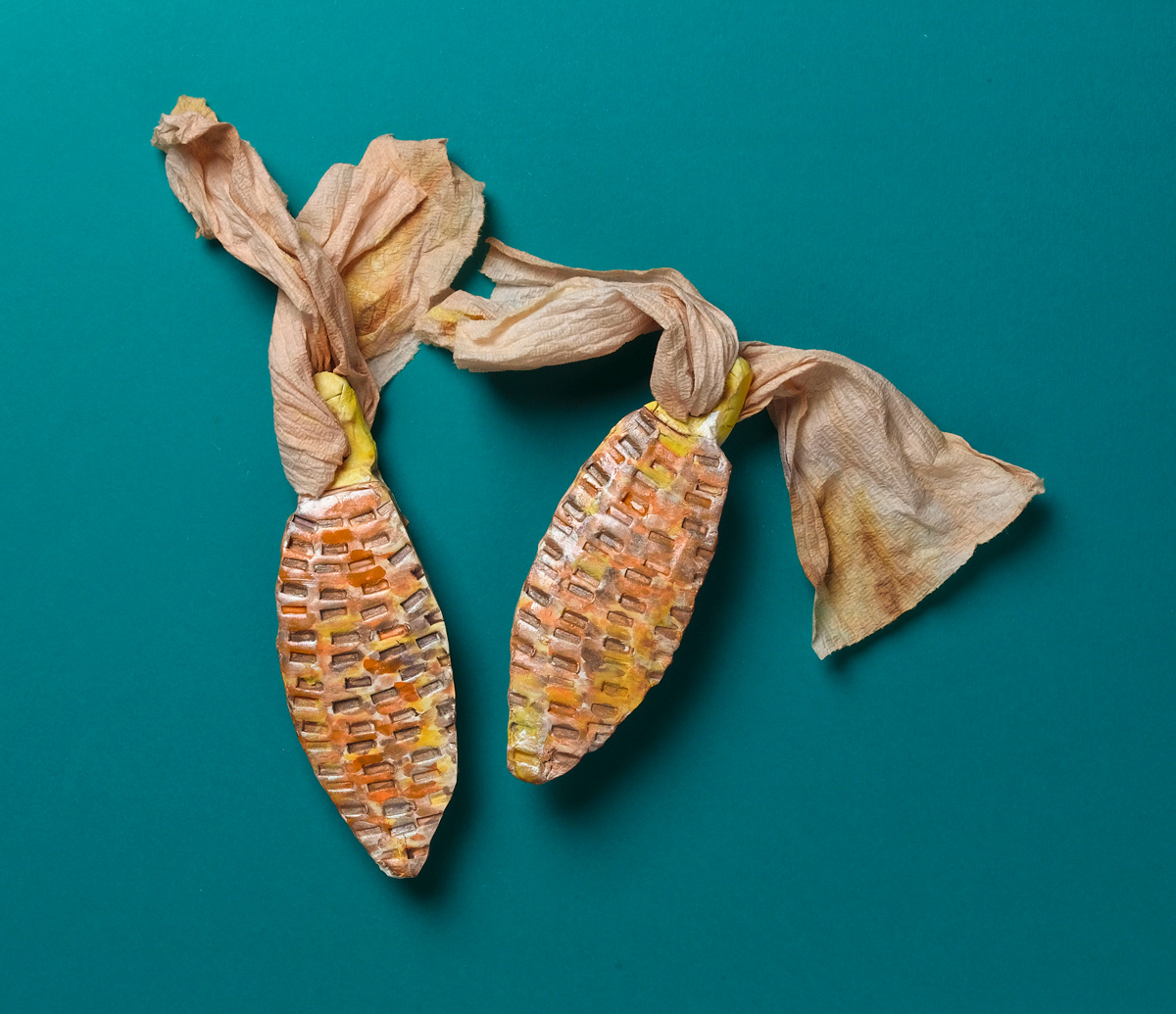
    Have students create a model of a dried corn decoration. They can roll out a piece of Air-Dry Clay into a corn cob shape and put a hole in the top to attach the husk. They can press a craft stick or other item into the clay to make rows of kernels. When it's dry they can paint it and attach pieces of raffia to create the husk.

Standards

SS: People, Places, and Environment: Understand various perspectives and examine changes in relationship between peoples, places, and environments.

SS: People, Places, and Environment: Use data to analyze human behavior in relation to its physical and cultural environment.

Adaptations

Have students learn about the Green Corn Ceremony or "Puskita" practiced by many Native American peoples. It was held after the first harvest and was a way of giving thanks for a successful crop.

Have students research other food crops that are native to North America, such as acorns, mesquite beans, and chiltepin peppers, the only wild chili pepper native to the United States.