Skip to Main Content

Homonym Matching Game

Are you game for a game? Do you want to lessen tension during a lesson? Students will learn about homonyms and homophones and write the right words for a matching game.

Lesson Plan

Supplies Needed

Gather all the supplies needed to bring your craft ideas to life! From paints and markers to glue and scissors, our crafts section has everything to spark creativity and make every project truly special.

Steps

  • Step 1

    Have a discussion about homonyms and homophones - words that sound the same but have different spellings or are spelled the same but have different meanings. Have students think of several examples and write them on the board.  Note: homonyms can also refer to words that are spelled the same but have different pronunciations such as re-FUSE and REF-use.

  • Step 2

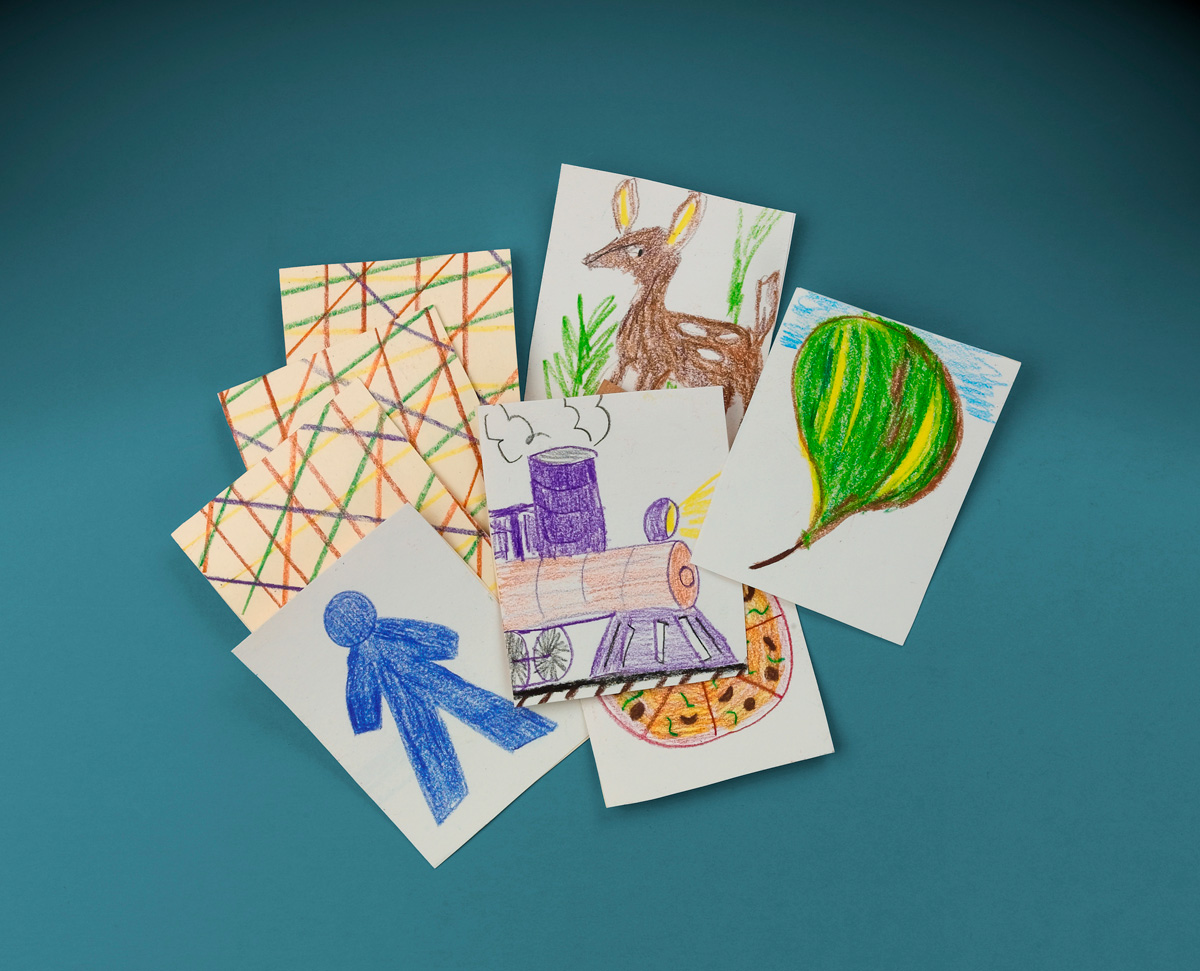
    Ask students to create pairs of illustrated  homonyms on unlined index cards, with or without the written word accompanying it. For example, one card could have a picture of a whale, and its match would depict a person crying (wail). Or for train, one card might have a locomotive and the other would have a bridal gown with a long train. Have them decorate the reverse sides with a colorful pattern.

  • Step 3

    Play a homonyms concentration game. Students can form pairs or teams. Shuffle the cards and place them face down (pattern side up) on the table. Have one side turn over two cards. If they are a homonym match, the player(s) will  keep the pair and take another turn. If they don't match, the cards get turned over and the other side takes its turn.

Standards

LA: Demonstrate understanding of figurative language, word relationships, and nuances in word meanings.  

LA: Apply knowledge of how language functions in different contexts to make effective choices for meaning or style, and to comprehend more fully when reading, writing, speaking, and/or listening. 

Adaptations

Read a book to the class such as "Dear Deer by Gene Barretta or "Are You a Ewe" by Rebecca Felix. Ask students to point out the homonyms when they hear them.

Challenge students to write several sentences with each one containing a homophone pair, for example, "My aunt gave me an ant farm" or "I read a story about a red balloon."