Skip to Main Content

Making Faces

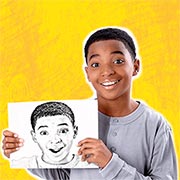
The human body is externally symmetric. Students will explore why this is and create artwork that displays facial symmetry.

Lesson Plan

Supplies Needed

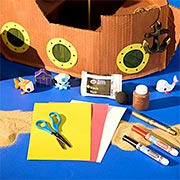
Gather all the supplies needed to bring your craft ideas to life! From paints and markers to glue and scissors, our crafts section has everything to spark creativity and make every project truly special.

Steps

  • Step 1

    Humans look symmetric on the outside, but internally there are many asymmetries. Scientists explain that this makes sense from an evolutionary standpoint. Symmetrical outer features helped us become streamlined for speed. Internally, we don't need to be streamlined; rather we need our organs to be relatively balanced by weight from side to side. 

  • Step 2

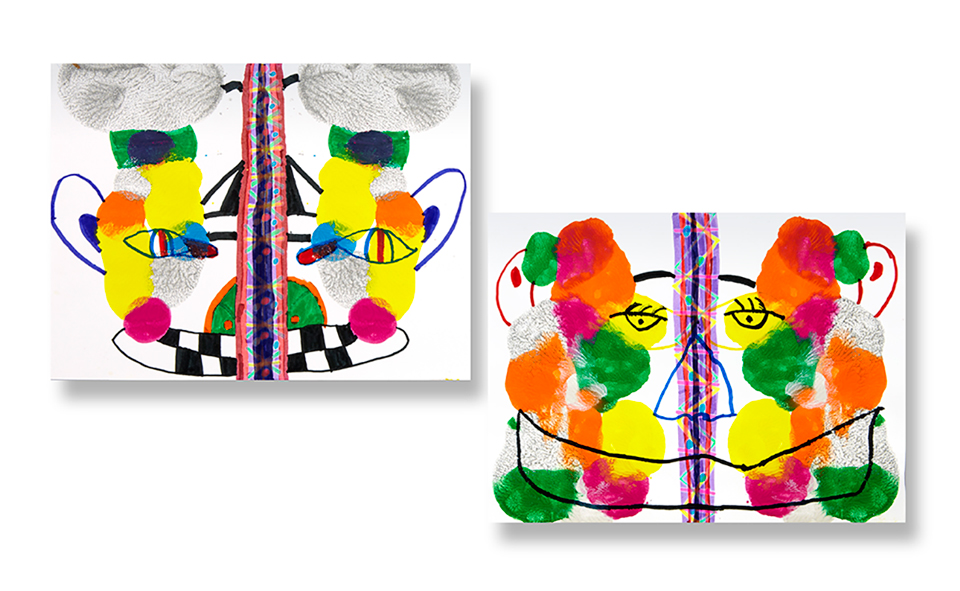
    Though there are asymmetries in our face - one eye or nostril might be slightly larger than the other for example - they are generally symmetric. Ask students to create a picture of facial symmetry. Have them paint several shapes on a piece of paper. Then, while the paint is wet, have them fold it to create a symmetrical mirror image by pressing the sides together. Then unfold it. When the paint is dry ask them to use markers to draw symmetric facial features on both sides to create a colorful and whimsical symmetric face.

  • Step 3

    Have students present their art and discuss the points of symmetry and asymmetrical features.

Standards

MATH: Analyze, compare, create, and compose math ideas using written, oral, and drawn lines, shapes, forms, and patterns.  

MATH: Create models that demonstrate math concepts and attend to precision. 

Adaptations

Ask students to write a story based on the whimsical symmetric face they designed. They can give the character a name, describe what kind of creature it is, and create an adventure for it.

Leonardo da Vinci's "Mona Lisa" is one of the most recognized paintings in the world, and her smile has been the subject of countless analyses. Why is it assymetric? Does that indicate that it wasn't a genuine smile or is a realistic presentation of a face? Have students look at the portrait and evaluate it themselves. Do they agree with most people who say the left side displays happiness while the right side does not?