Skip to Main Content

The Art of Cloisonné

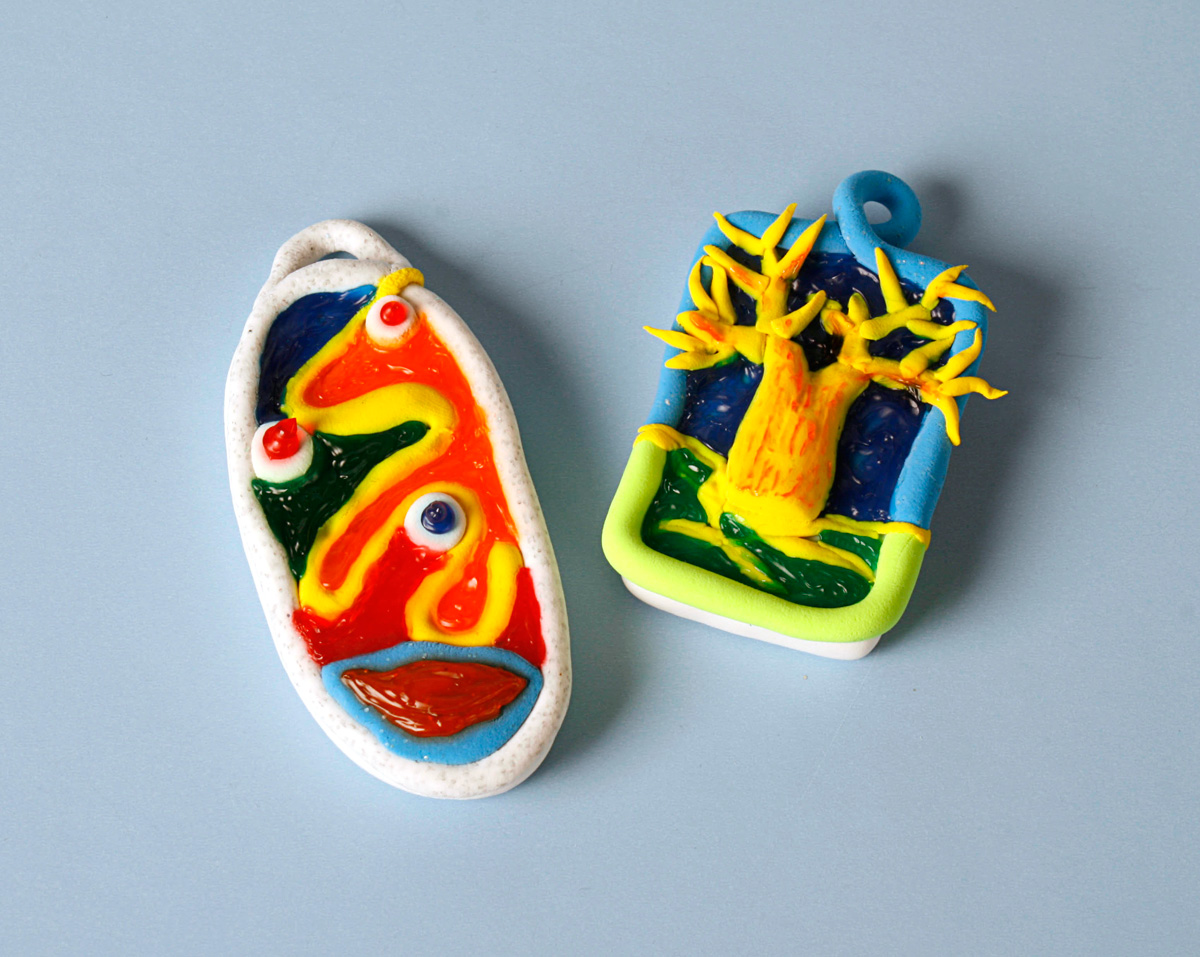
Cloisonné is an ancient metalworking technique. Students will learn about its origins and create a faux cloisonné piece out of Model Magic.

Lesson Plan

Supplies Needed

Gather all the supplies needed to bring your craft ideas to life! From paints and markers to glue and scissors, our crafts section has everything to spark creativity and make every project truly special.

Steps

  • Step 1

    Cloisonné is an ancient, multi-step enamel process used to produce jewelry, vases, and other decorative items. It first developed in the Near East, from there spread to the Byzantine Empire, and then made its way along the Silk Road to China, Korea, and Japan. Have students research its history. To when do the earliest examples of cloisonné objects date? What materials were used? What processes are used to make cloisonné? What are some of the motifs used in Chinese cloisonné, and what is their symbolism? 

  • Step 2

    Have students view images of cloisonné items. Then ask them to create a faux piece of cloisonné using Model Magic to imitate the metal base and glitter glue to represent the soldered wires in the design. They might wish to create a pendant, a vase, or another type of decorative item.

  • Step 3

    Ask students to present their work and discuss the item they created and if it has any symbolic meaning.

Standards

ARTS: Speculate about processes an artist uses to create a work of art. 

SS: Culture: Create, learn, share, and adapt to culture. 

Adaptations

Champlevé is another enamelwork technique, but the colors aren't  separated by wire, as in cloisonné. Instead, a single piece of metal is carved, stamped, or cast to create depressions that can be filled with enamel powder. Have students learn about champlevé that originated as a Celtic art form.

Cloisonné made its way along the Silk Road. Have students learn about the history of this trade route that contributed greatly to the cultural exchange between China and the West.