Skip to Main Content

The Art of Frank Stella

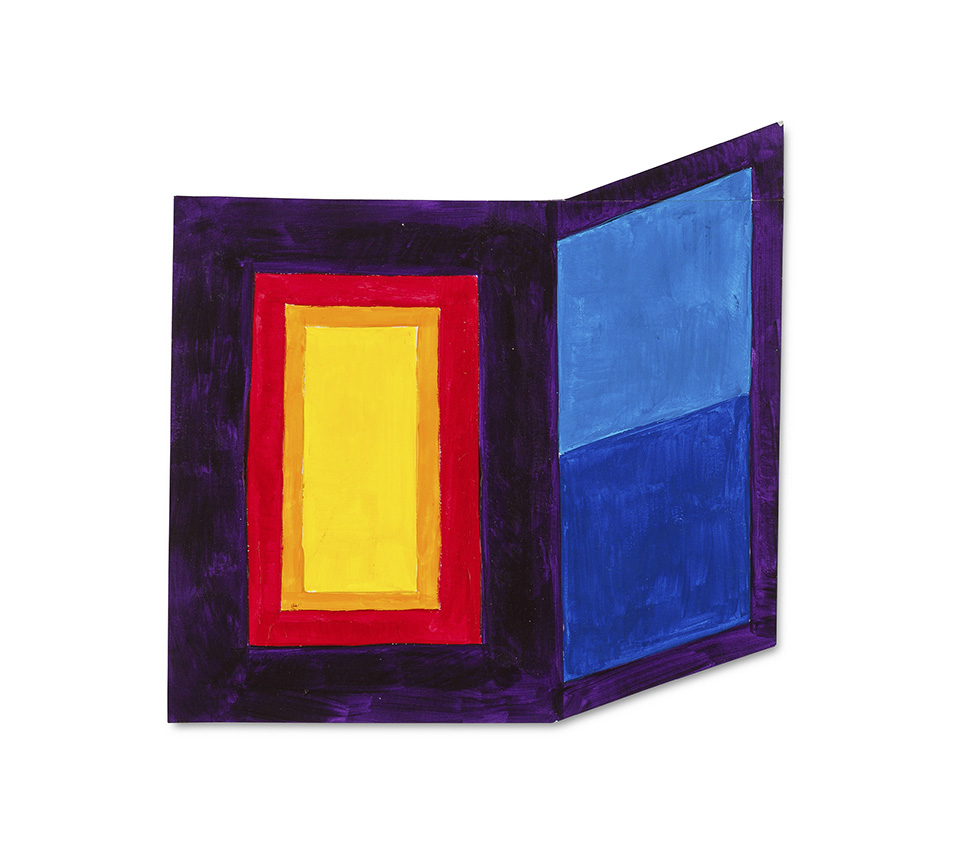
Frank Stella was an award-winning minimalist abstract artist. Students will explore his works, which often feature bright colors and geometric and organic shapes and create a Stella-inspired work of their own.

Lesson Plan

Supplies Needed

Gather all the supplies needed to bring your craft ideas to life! From paints and markers to glue and scissors, our crafts section has everything to spark creativity and make every project truly special.

  • Heavy Paper

Steps

  • Step 1

    Frank Stella (1936-2024) was an abstract minimalist artist who was an early practitioner of non-representational painting, rather than artwork alluding to underlying meanings, emotions, or narratives. He gained immediate recognition in 1959 for his black striped paintings and later incorporated bright colors and non-painterly elements. Ask students to define minimalism, painterliness, abstraction, and other art terms associated with Stella. Have them view images of the black painting series as well as such works as "Untitled Abstraction" (1956), "Sunset Beach" (1967), and "Harran II" (1967).

  • Step 2

    Ask students to create a painting inspired by Stella's works and incorporate the basic elements of his artwork: color, shape, and composition.

  • Step 3

    When the work is dry, ask students to present their paintings and discuss the techniques they used and why they selected the colors in the work.

Standards

ARTS: Speculate about processes an artist uses to create a work of art.

ARTS: Explore and invent art-making techniques and approaches.

Adaptations

Ask students to view the works of other minimalist artists, such as Sol LeWitt (who is widely considered the father of minimal and conceptual art), Dan Flavin (best known for using fluorescent light bulbs to create sculptural objects and installations), and Eva Hessa (best known for her work with latex, fiberglass, and plastics).

Frank Stella created some colorful sculptures. Ask students to look at images of several of them and then challenge them to create a 3D sculpture of their own. They might use Model Magic or other materials such as paper, cardboard, or recycled items.