Skip to Main Content

Women's Suffrage

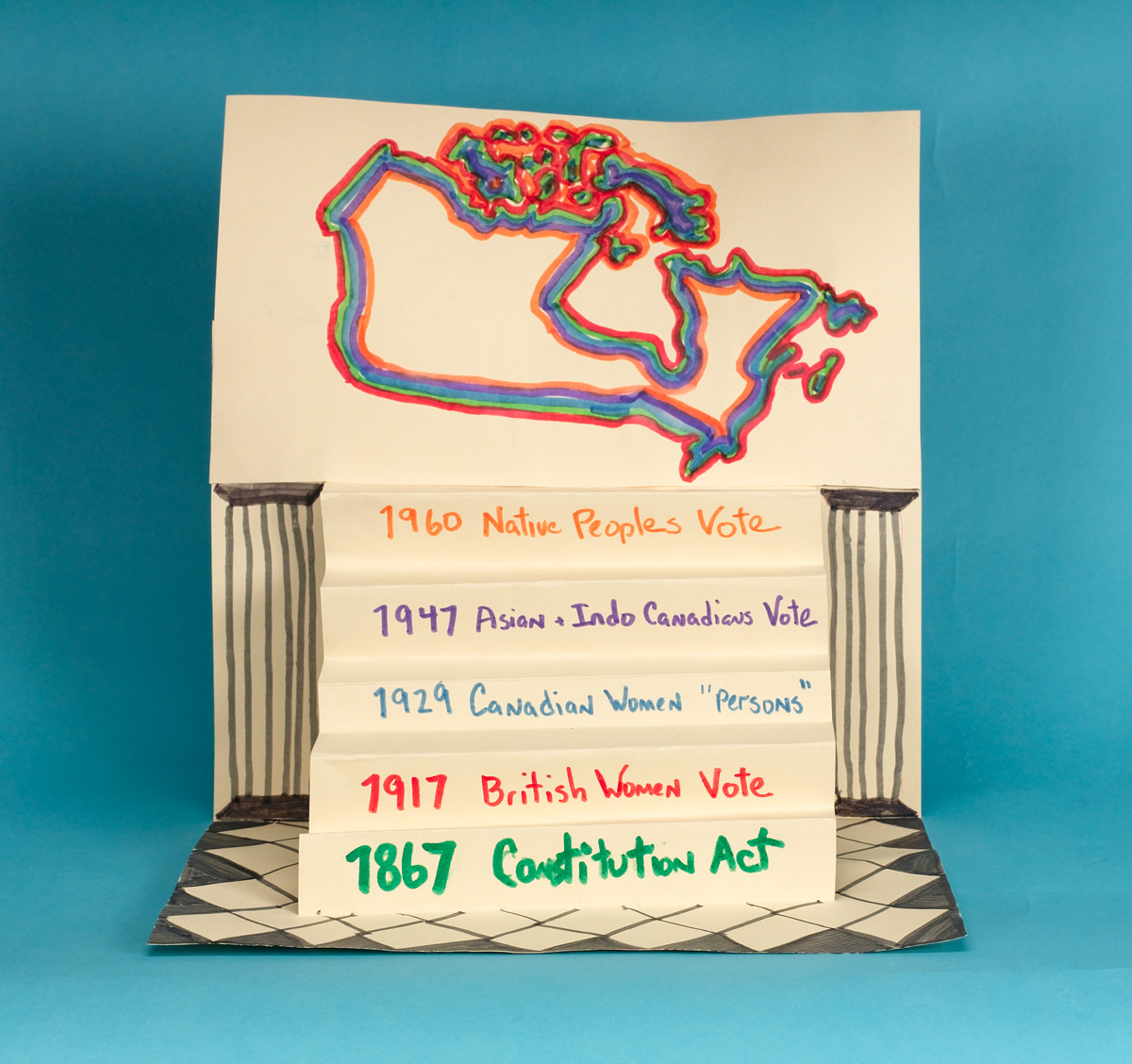
Students will learn about women's suffrage in Canada and apply the insights to the United States and elsewhere as they depict its history in a 3D timeline.

Lesson Plan

Supplies Needed

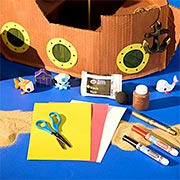
Gather all the supplies needed to bring your craft ideas to life! From paints and markers to glue and scissors, our crafts section has everything to spark creativity and make every project truly special.

Steps

  • Step 1

    Voting is an important civic responsibility, yet many people have historically been denied that right. For this lesson, have students  research the history of women's suffrage in the United States, Canada, or elsewhere. Who were the major suffragists in the cause? For Canada this list includes Nellie McClung, Helena Gutteridge, Louise McKinney, and others. For the United States the list includes Sojourner Truth,  Elizabeth Cady Stanton, Susan B. Anthony, and others. What laws and amendments addressed the issue? How long did it it take for women to achieve the right to vote? 

  • Step 2

    Have students depict an illustrated timeline of key events in the road to women's suffrage. They can use an open recycled file folder as the base and background. Then they can make tiered steps using another recycled folder that has been cut in half and folded. They will write key dates and events on the steps of the timeline.

  • Step 3

    When their display is complete, have them present the timeline and key insights to the class. Discuss the significant people and events they learned about during their research on women's suffrage. If various countries were included in the exploration, ask students to compare and contrast information from those different countries.

Standards

SS: Time, Continuity, and Change: Analyze the causes and consequences of past events and developments, and place these in the context of the institutions, values and beliefs of the period in which they took place. 

SS: Power, Authority, and Governance: Develop awareness of rights and responsibilities of people, in specific contexts.

Adaptations

Have students investigate the history of voting rights for Indigenous peoples and people of color in Canada and the United States. For example, the Indian Act of 1876 in Canada allowed First Nations peoples to vote, but only if they gave up their "Indian" status. And although the 14th Amendment (1868) declared that all people born or naturalized in the United States had the right to vote, Black Americans were first given an impossibly worded literacy test, which anyone taking would fail. They were then turned away from voting.

Have students learn about some of the states that granted women the right to vote before passage of the 19th Amendment in 1920. For example, women in New Jersey in 1776 who had at least 50 pounds (the currency at the time) and lived in the country for at least 12 months were granted the right to vote. Wyoming granted women the right to vote in 1869. Some supporters hoped it would bring more women to Wyoming, since at the time there were six times as many men than women.